Kessim: Religious Leadership in the Beta Israel Tradition
Who are the Kessim?
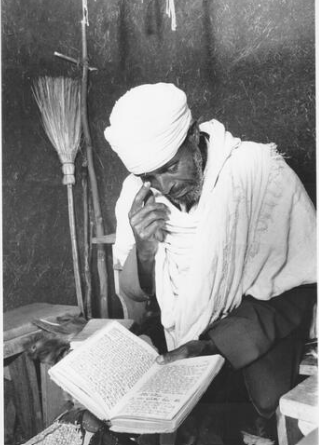
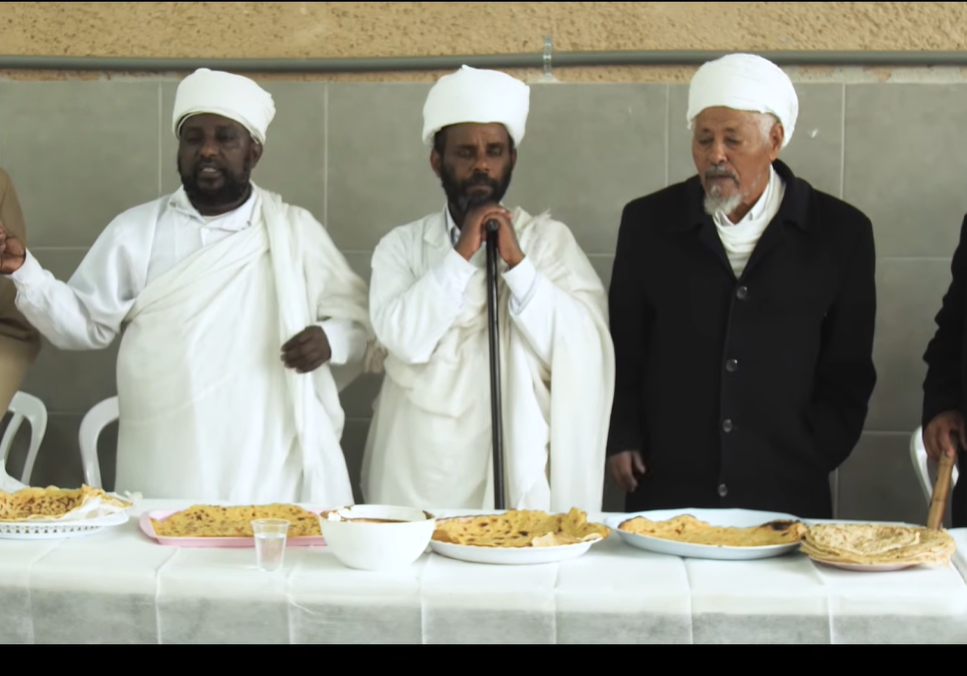
The Kessim (singular: Kes), also known as Kahenat, are the traditional religious leaders of Beta Israel. They hold religious authority within the community, including the authority to interpret sacred texts and issue rulings on Jewish religious law. The Kessim constitute a central institution of Beta Israel Judaism, with its own traditions of religious education, ordination, and authority.
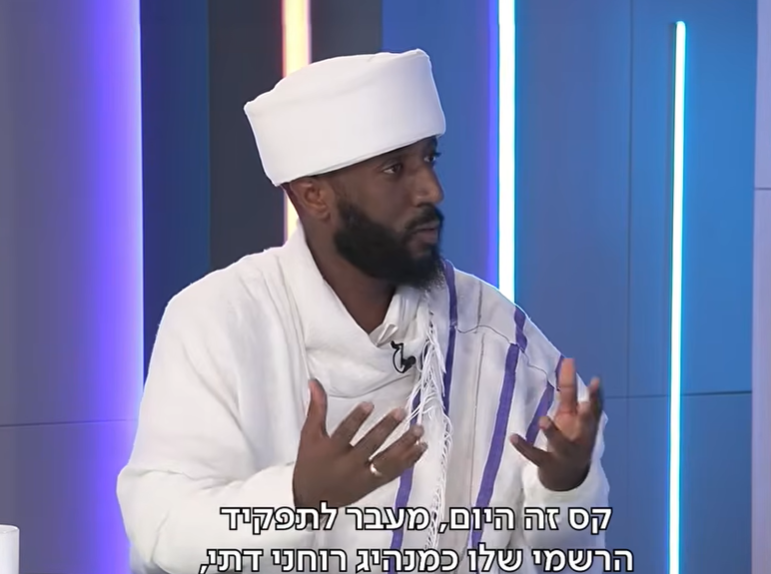
The traditional attire of the Kessim includes white garments and a white turban, associated with religious purity. On occasions such as Sigd, Kessim are often accompanied by colorful ceremonial umbrellas, signifying their religious authority and honored position within the community.
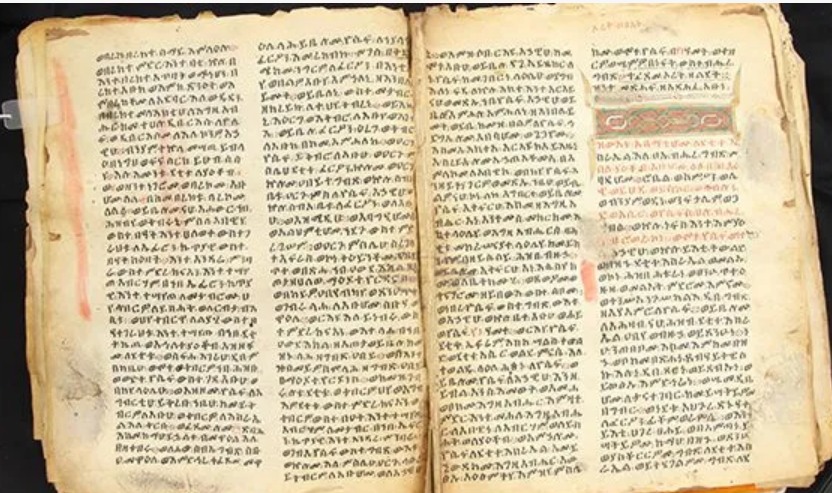
Picture: Rare 15th century copy of the Orit recorded by TAU's Orit Guardians program. Kept by Beta Israel now to be digitized by the program at TAU.
Religious and Communal Responsibilities:
In Ethiopia, larger Beta Israel villages had their own Kessim, who also served Jewish communities in surrounding villages. Religious life centered around the Mäsgid (Jewish house of prayer), as well as religious observance within the home and wider community. The authority of the Kessim extended beyond the Mäsgid, encompassing matters of religious law, family life, communal affairs, and education.
Their responsibilities traditionally included:
Leading communal worship and religious observances.
Guiding the observance of Shabbat, Jewish holidays, and communal fasts.
Officiating marriages and overseeing divorce proceedings.
Conducting burial and mourning ceremonies.
Overseeing ritual slaughter, dietary laws, and practices of religious purity.
Educating children in Jewish traditions and religious observance.
Adjudicating matters of Jewish religious law.
The Kessim also worked alongside the Shimaglae (community elders) to resolve communal and family disputes. When attempts at reconciliation through family members or community elders were unsuccessful, matters could be brought before a Kes for resolution. Historically, the Kessim also presided over religious sacrifices, including the annual Pes’cha sacrifice in Ethiopia.
Becoming a Kess:
Within the traditional religious structure of Beta Israel, the role of Kes is reserved for men. Religious education traditionally began in childhood, followed by years of intensive study and preparation under the guidance of established religious leaders.
Students learned to read Ge’ez, study and interpret the Orit, memorize prayers and melodies, and apply Jewish religious law. Historically, much of this education took place under the guidance of the Maloksewoch, religious leaders who devoted their lives to Jewish study and prayer. The Maloksewoch lived separately from the wider community, observed celibacy, and maintained particularly strict practices concerning religious purity, which their students were also expected to observe during their training.
The Maloksewoch were responsible for educating and ordaining new Kessim. As their numbers declined beginning in the late nineteenth century, senior Kessim increasingly assumed these responsibilities. Within the religious hierarchy of Beta Israel, the Liqa Kahenat was the highest religious authority of a district, selected by the religious leaders of that region.
Unlike the Maloksewoch, Kessim were traditionally required to marry before ordination. Candidates underwent examinations of their religious knowledge and were expected to demonstrate their suitability for communal leadership. The ordination of a new Kes was marked by a communal celebration that included prayers, blessings, songs, and a shared meal.
Prayer and Liturgy
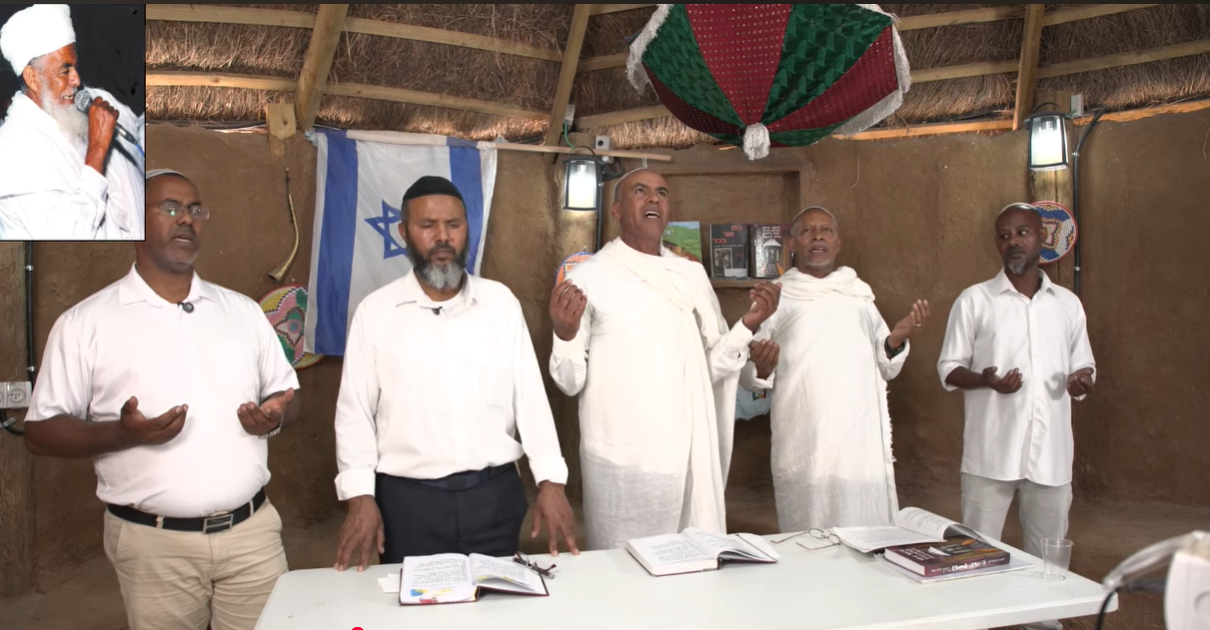
In Ethiopia, daily communal prayers traditionally took place at dawn, midday, and sunset, with worshippers facing Jerusalem. Shabbat, Jewish holidays, communal fasts, and significant moments in Jewish life are accompanied by distinct prayers and melodies.
Recited primarily in Ge’ez, the liturgy draws upon biblical passages and other religious writings. Themes include praise and gratitude to Adonai, remembrance of the Exodus from Egypt, repentance, and longing for Jerusalem and Zion.
During communal worship, a Kes may lead a passage while accompanying Kessim respond or continue with alternating verses. These liturgical traditions are transmitted through years of religious education and practice.
Listen to the liturgy:
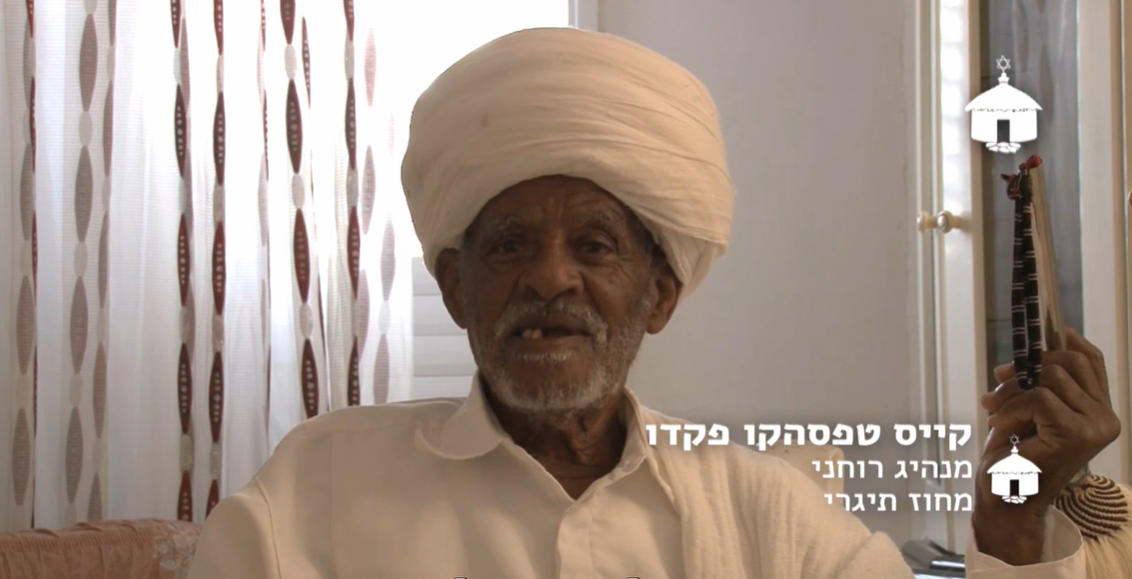
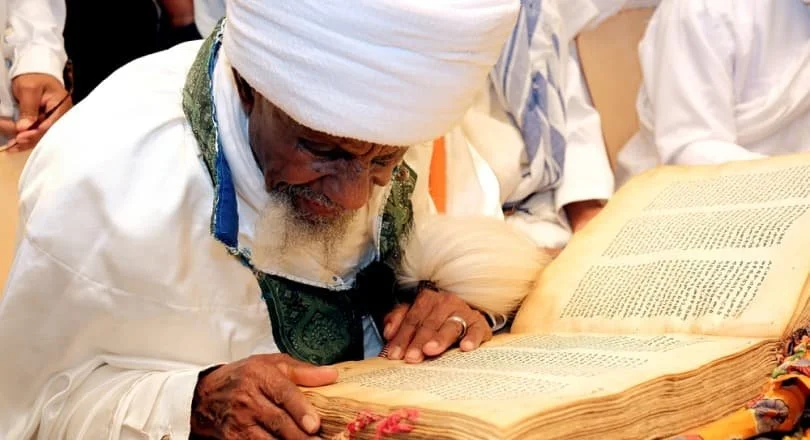
Pictured: Liqa Kahen Melke Azaria Yehayis (1918–2011 Born in Teda, Gondar, Ethiopia. Ordained in Ethiopia in 1941. Immigrated to Israel in 1991 and settled in Ashkelon.
Kessim and The Orit:
The Orit (ኦሪት) is central to the religious education of the Kessim. It’s comprised of the Five Books of Moses (Torah), along with the Books of Joshua, Judges, and Ruth.
The Orit is written in Ge’ez, which is why every Kess must be able to read, and understand it because it’s the foundation of traditional Beta Israel religious law and observance.
During Shabbat and holiday services, passages from the Orit are read aloud in Ge’ez by a Kes. Another Kes typically translates the passages into Amharic or Tigrinya and offers interpretations of the text to the congregation. Alongside the written Orit is an oral tradition of Jewish teachings, interpretations, and religious laws that have been passed down from generation to generation through the Kessim.
The religious literature of Beta Israel also includes the Book of Jubilees, the Book of Enoch, the Psalms of David, and additional religious writings and prayer collections. Many of the sacred manuscripts brought from Ethiopia to Israel remain in the care of the Kessim, Jewish communities, and individual families.
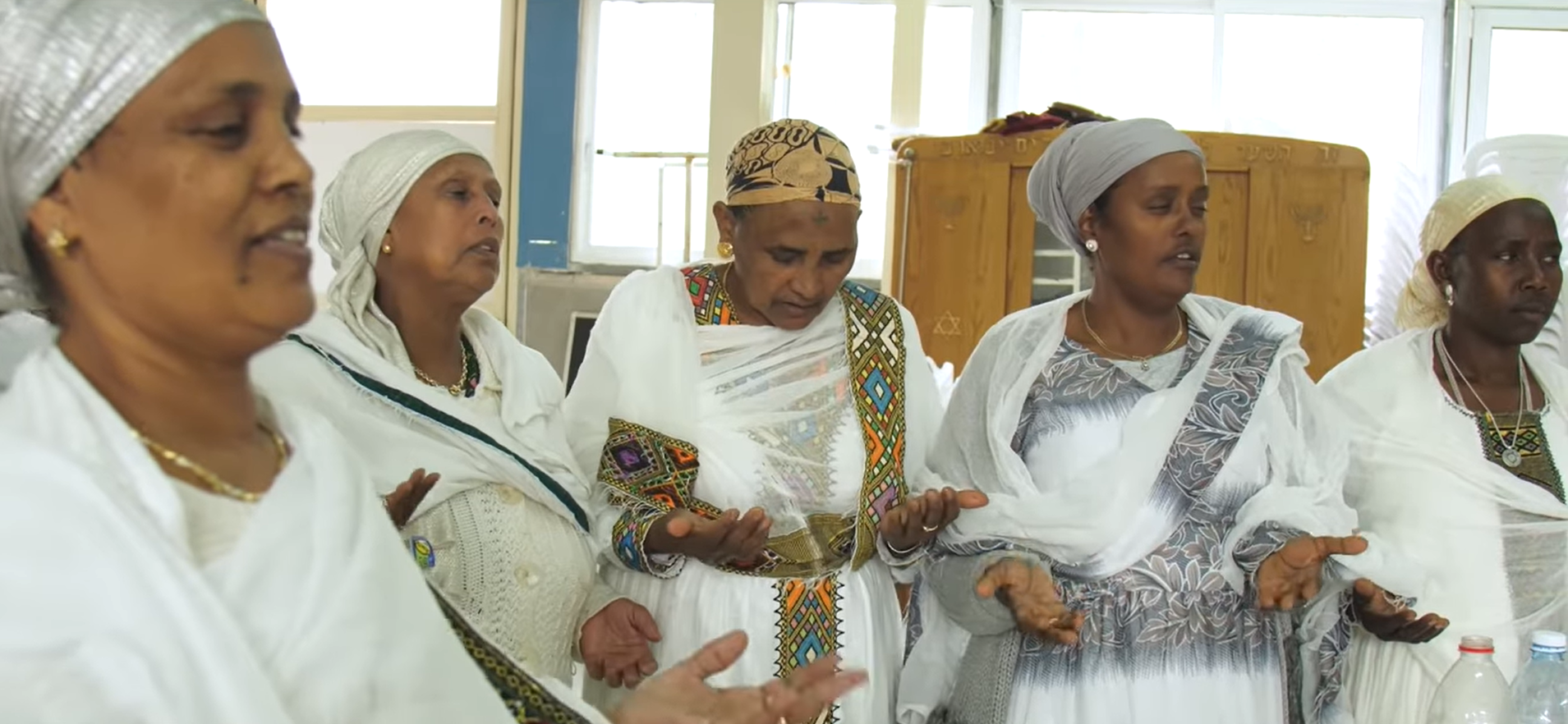
Video: Archival news coverage of the funeral of Liqa Kahenat Menashe Zemro in Kiryat Gat, Israel, on October 8, 1998. Thousands gathered to mourn one of Beta Israel’s most prominent religious leaders. The reported absence of representatives of the Chief Rabbinate reignited longstanding grievances within the Ethiopian Jewish community over the lack of recognition of the Kessim and their religious authority.
A New Generation of Kessim in Israel
The education and ordination of Kessim continued in Israel even before the state formally recognized newly ordained religious leaders. Liqa Kahen Melke Azaria Yehayis (1918–2011), who immigrated from Ethiopia in 1991 and settled in Ashkelon, is credited with ordaining 30 Kessim in Israel. He also played a central role in organizing the religious leadership of Beta Israel and advocating for its recognition.
Among the new generation of religious leaders is Kes Ephraim Lawi, the first Israeli-born Kes. Following in the footsteps of his father and generations of Kessim before him, Lawi received his religious training in Israel, served the Jewish community in Karmiel, and participated in the struggle for official recognition. In 2022, he was formally appointed to serve the Ethiopian Jewish community in the Haifa district.
In Ashkelon, Kes Avihu Azaria, son of Liqa Kahen Melke Azaria Yehayis, established Beit Midrash LeKahantuch, an institution dedicated to educating and preparing future Kessim. These efforts continue the transmission of Ge’ez, Jewish religious law, liturgy, and the oral traditions of Beta Israel to a new generation of religious leaders.
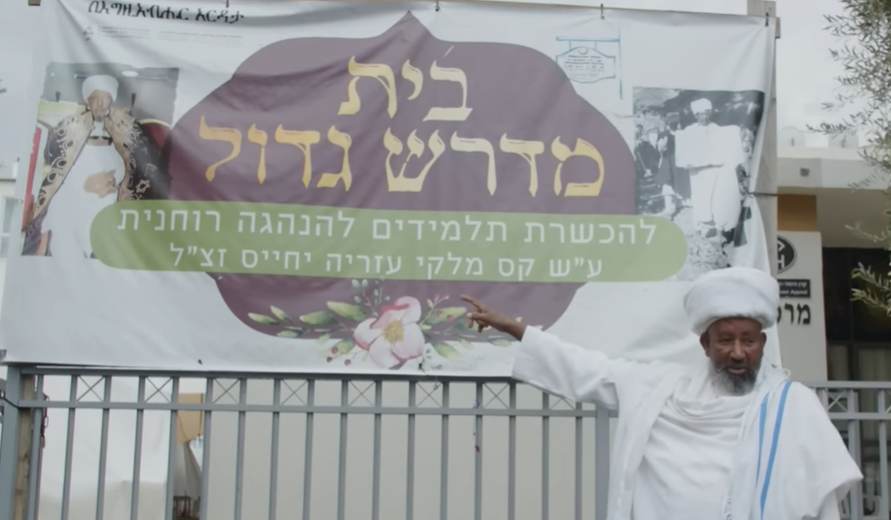
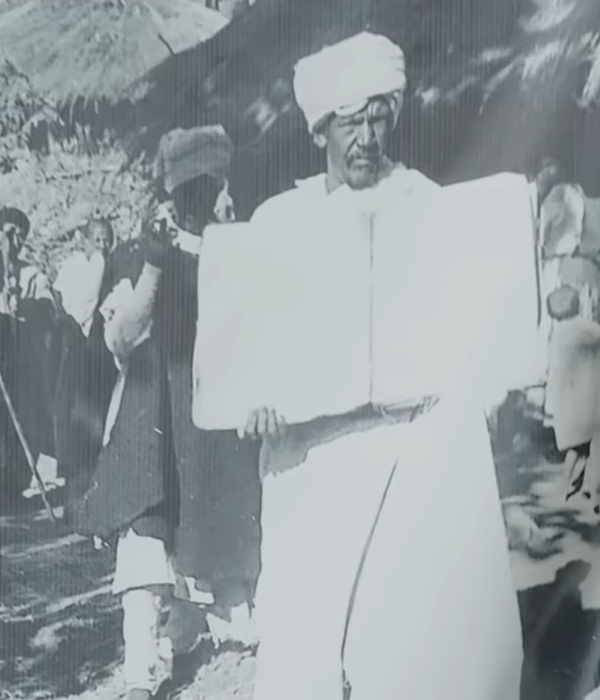
Pictured: Liqa Kahen Melke Azaria Yehayis (1918–2011 Born in Teda, Gondar, Ethiopia. Ordained in Ethiopia in 1941. Immigrated to Israel in 1991 and settled in Ashkelon.
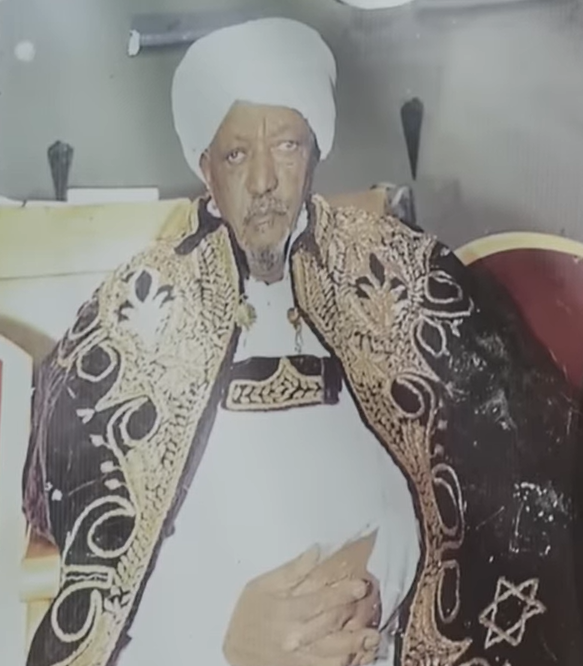
Above Liqa Kahen Melke Azaria Yehayis (1918–2011)
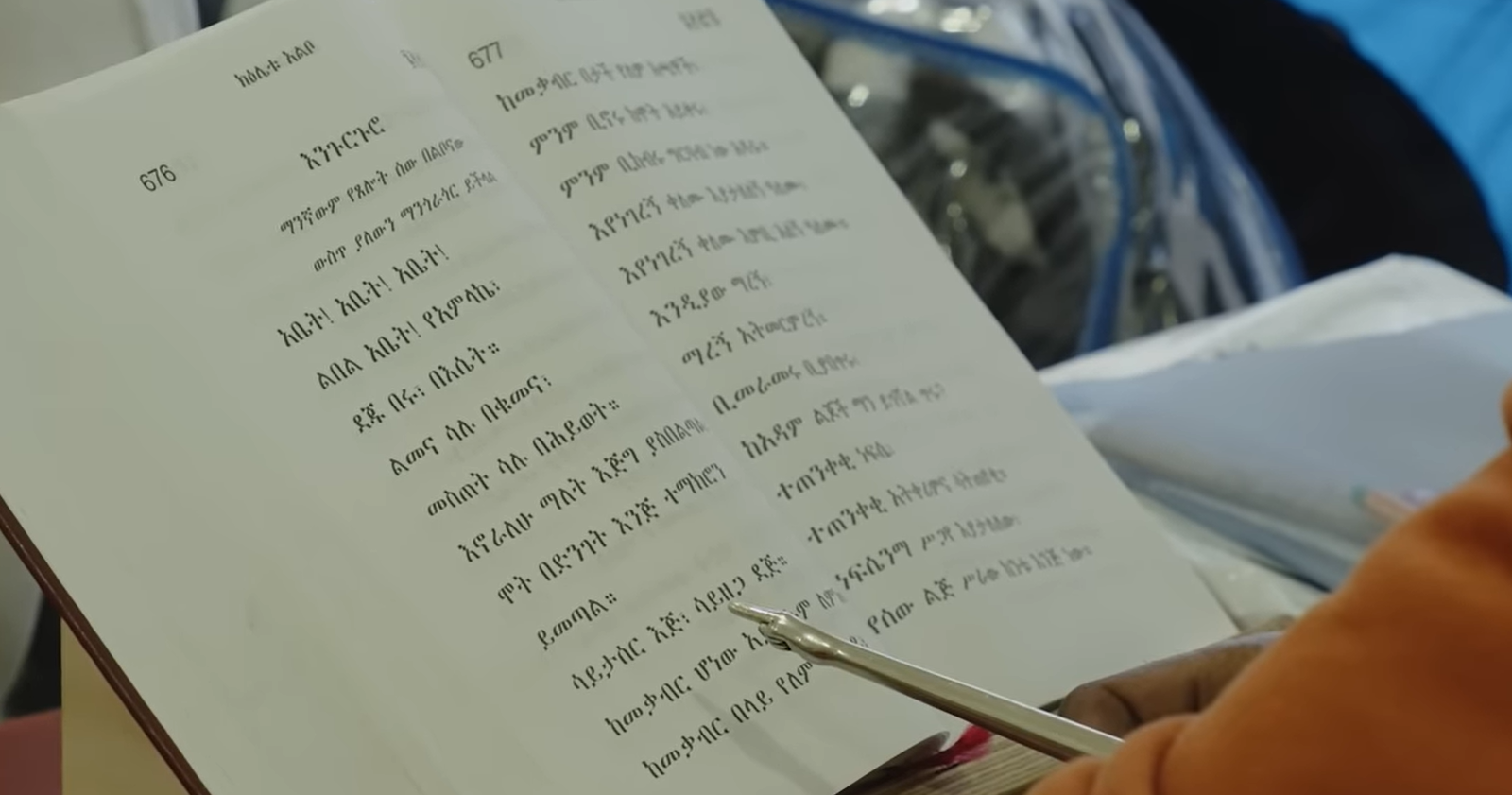
Above and below: Prayer books, Siddurim and Tehilim in Amharic and Gee’z at the Great Beit Midrash in Ashkelon, Israel

Pictured on left: Beit Midrash LeKahantuch, The Great Beit Midrash for the Training of Students in Spiritual Leadership, named in memory of Kes Malki Azaria Yehayes, of blessed memory. Ashkelon, Israel 2025
However, these measures did not secure the future of the institution. In 2010, the Israeli government authorized additional positions for Kessim while stating that no further positions would be approved and that no additional Kessim would be ordained in Israel. Religious services were eventually to be provided by municipal rabbis.
Throughout this period, the Kessim continued to serve their communities, establish synagogues, educate students, and ordain new religious leaders according to the traditions of Beta Israel. Kessim and community members continued to advocate for recognition, equitable employment, and the preservation of their religious institution.
In 2018, following decades of advocacy, the Israeli government adopted Decision 3649, formally recognizing the Kessim as spiritual leaders of Ethiopian Jewry and expanding their inclusion within the public religious services system. Although the decision marked a significant reversal of earlier government policy, it did not restore the full extent of the religious authority the Kessim held in Ethiopia, particularly in matters of marriage.
Kess Ephraim Lawi, Born in Israel. Recognized as the first Israeli-born Kes. Previously served the community in Karmiel and was officially appointed to serve the Haifa district in 2022.
The Kessim in Transition: From Ethiopia to Israel
Following the large-scale aliyot from Ethiopia in the 1980s and 1990s, the Kessim faced significant challenges to their religious authority. Despite their longstanding position as the religious leaders of Beta Israel, the Israeli Chief Rabbinate did not recognize their authority on equal terms with that of rabbis.
Differences between Beta Israel and Rabbinic Jewish law became the basis for restrictions on the religious responsibilities of the Kessim. Among the most significant was their inability to officiate legally recognized marriages independently. Ethiopian Jews also faced demands to undergo symbolic conversion, calling into question both their Jewish status and the religious authority of their leaders.
These policies were met with resistance from the Ethiopian Jewish community. In 1985, Ethiopian Jews organized weeks of demonstrations against the Rabbinate's conversion requirements. In 1992, Kessim and community activists organized further protests demanding recognition of their religious leadership, resulting in a government decision to establish paid positions for Kessim within local religious councils.
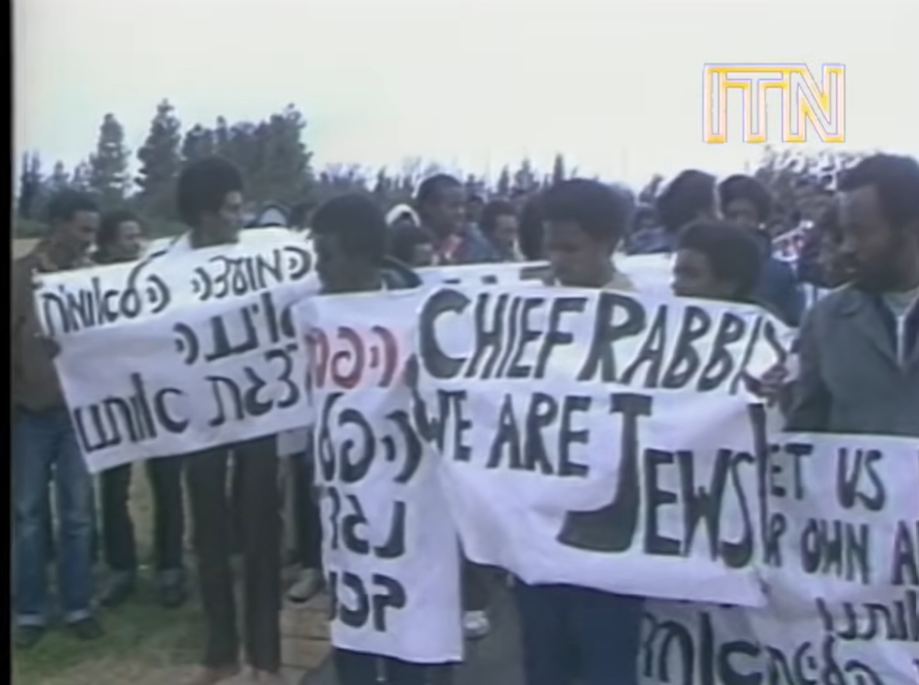
Above: Ethiopian Jews demonstrations against the Rabbinate conversion requirements. Israel, 1985 (Archives)
Curated by: Tammy Habteyes. Reference Sources: Diana Lipton, Biblical Studies for Ethiopian Jews (2022) Ethiopian Jewry Heritage Center – The Spiritual Leadership of Beta Israel, Rachel Sharaby, Between Cultures and Generations (2021), p. 277. Kes Mersha Alemu, Elder Tehllun, Elder Habteyes.EITV140, 70 Faces Mashav, Dr. Rabbi Sharon Shalom From Sinai to Ethiopia, Roey Zimro and Mamat Archives, ITN News archives, Memories of Ethiopia Archives, Israel Hayom,Gadi Geta Melaku, Ethiopian Jewry Heritage Center