Pes’cha Traditions, Preparation and Observance
Traditional Beta Israel observance of Pes’cha brought together household preparation, religious and communal celebrations.
As you explore these traditions, consider how preparations in the home connect with prayer, storytelling, and shared observance in the community
Preparing for Pes’cha
Preparation for Pes’cha begins in the early days of Migbit, the period leading into the month of Nisan (called Lisan in Amharic).Homes are thoroughly cleaned, and all ḥametz is removed and burned. According to traditional Beta Israel practice, earthenware vessels (porous clay pottery) cannot be kashered, so pottery dishes used throughout the year are replaced for the holiday. Preparation extends beyond the kitchen to the home itself, including storage spaces and roofs. These preparations shape the rhythm of Pes’cha well before the holiday begins.
Holiday Foods and Dietary Practices
Beta Israel communities traditionally prepared a special Pes’cha flatbread known as kita. Kita differs in taste and texture from injera, the teff-based bread eaten year-round. The dough is prepared and baked quickly to prevent fermentation.Traditionally, families brought several pieces of kita to holiday services, reinforcing the communal nature of the holiday. Throughout Pes’cha, hametz and fermented foods were avoided. Wheat, barley, oats, spelt, rye, legumes (kitniyot), and fresh milk were permitted, while foods requiring fermentation, including many dairy products, were prohibited.
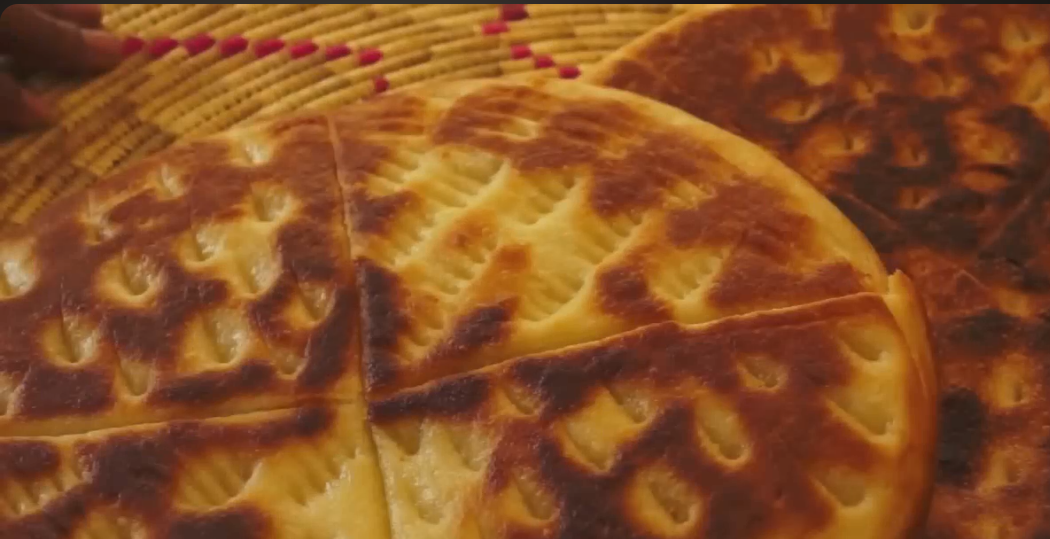
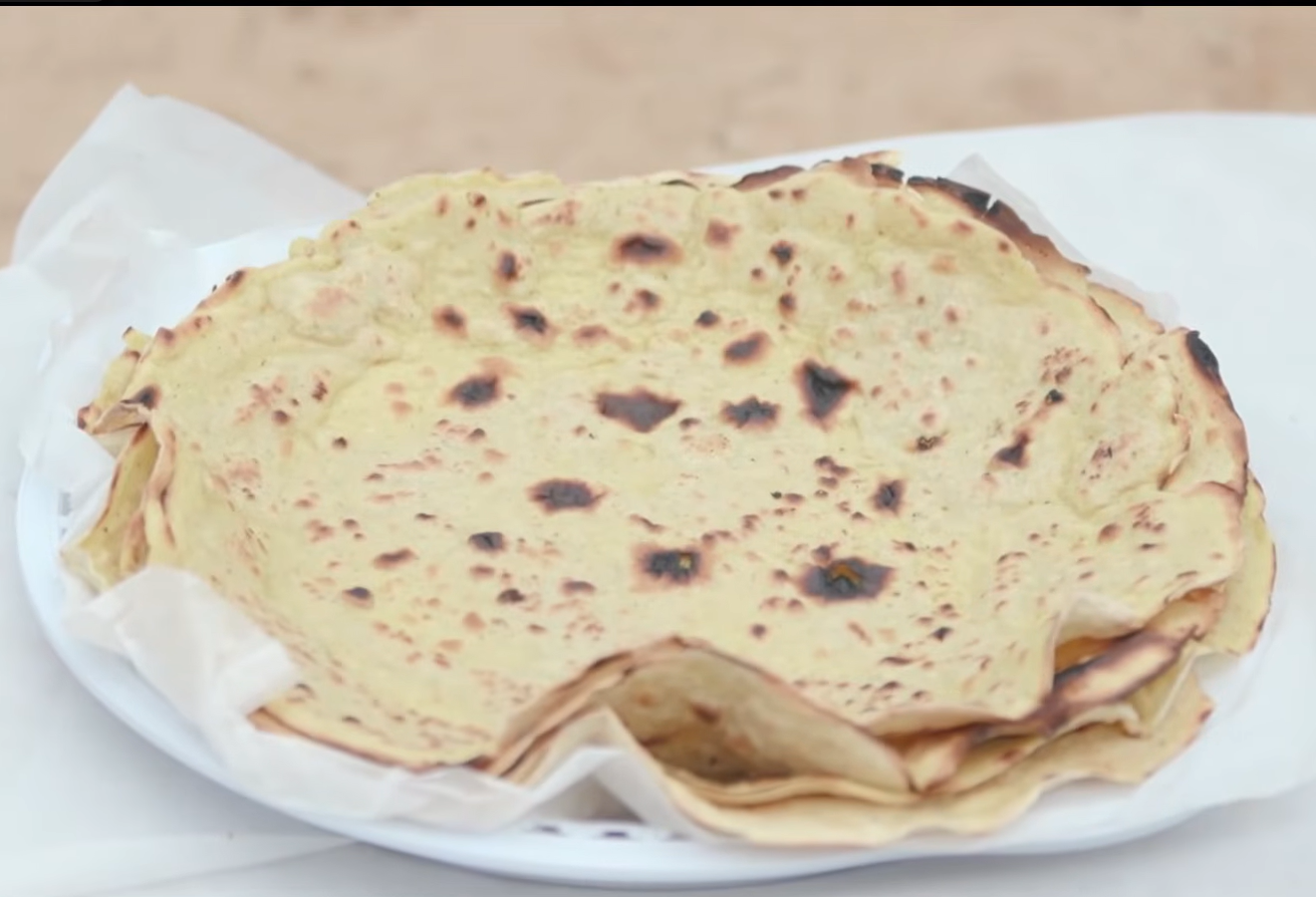
In this picture: Kita, the traditional Pes’cha (Passover) bread for Ethiopian Jews (Beta Israel). Click on the video to watch how it’s made!
In this video: Jewish women (Beta Israel Elders) making Kita for Pes’cha over an open flame. Credit: Gadi Geta Melaku
Communal Worship and Observance
Pes’cha was traditionally observed through communal prayer led by Beta Israel religious leaders, known as Kessim, as well as shared meals and family visits.The holiday lasts seven days. Traditionally, work was limited during much of Pes’cha, although activities such as tending livestock or shopping at the market continued. On the 14th of Lisan, community members gathered at the place of worship dressed in white holiday garments. The Kessim led the Pes’cha service, which could last up to two hours and included prayers of praise and thanksgiving, blessings for life and continuity, and expressions of longing for Jerusalem and Zion.
Prayers were recited in Ge’ez, the sacred liturgical language, and translated into Amharic. At the conclusion of the service, the Kessim proclaimed:
“Let it be Pes’cha for Adonai your God.”
Historically, Pes’cha also included a communal sacrifice overseen by the Kessim, a practice that has continued in some rural communities. Following the service, a sheep was slaughtered, roasted on a stone altar, blessed, and shared among families together with kita.
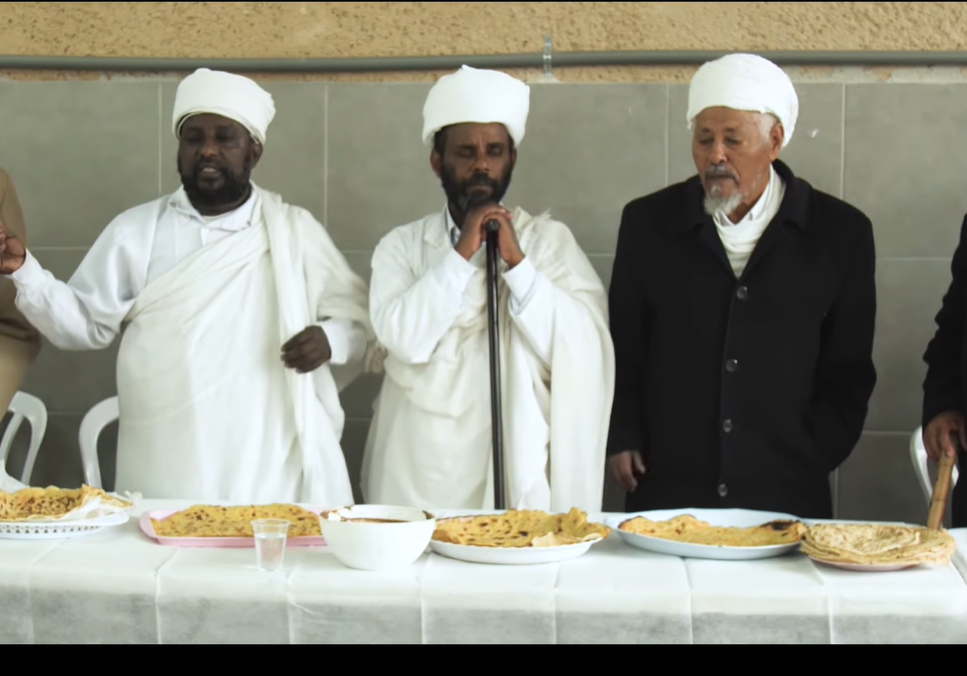
In the picture: Kessim hosting Pes’cha meal and blessing over the Kita and community
Audio: Beta Israel men and women in Ethiopia singings Passover songs in Ge’ez. Album: Religious Music of the Falashas, 1951
Retelling the Exodus
Traditional Beta Israel observance did not follow the formal seder structure or use the printed Haggadah familiar to many Jewish communities today. Instead, the Exodus story was remembered through communal prayer, and retelling. On the morning of the holiday, families returned to the place of worship, sang songs for Zion, and recalled the Exodus through prayers, including verses such as:
“Take part in Pes’cha for Adonai; eat matzah for seven days. The sea parted for Israel in the middle of the day.”
The Kessim then gathered the community and retold the story of liberation from Egypt emphasizing miracles, survival, and the longing for Jerusalem. The conclusion of Pes’cha was marked with a celebratory meal, often including lamb, bread, beer, and engotcha (a lightly fried dough dipped in honey), signaling renewal and a return to everyday life.
How Is Pes’cha Observed Today?
Since the large-scale migrations (aliyot) of Ethiopian Jews to Israel, Passover observance has continued to evolve. Today, many Ethiopian Jewish families and communities incorporate elements of the “popular” Passover seder alongside religious practices inherited from our Beta Israel tradition. For many families and individuals, the Kessim continue to play an important role in preserving our traditional practices.
One example of this living history comes from a Beta Israel community in Rishon LeZion, Israel, where members gather to commemorate Pes’cha through a physical reenactment of the Exodus journey (see video below). Participants climb a mountain as the community's religious leader, Kes Zimna, tells the story of the Exodus. Elders draw connections between the biblical Exodus from Egypt and the historical journeys of Ethiopian Jews to Jerusalem, while younger generations listen intently. The purpose is to bring history and traditions to life, connecting past and present through a shared act of remembering the journey and reaffirming our commitment to Adonai.
In this reenactment of the Exodus, community members prepare for their journey with blessings, provisions, and a shared commitment to care for one another. The strong support the weak, and the community moves forward together, recalling the journey of their ancestors from Egypt.
Translation: “With God's blessed help, the time has come to return to Jerusalem, to enter our land.As it was said: I will scatter you and I will gather you. Today we begin our journey, so may God guide our path, Amen.”